Booking (and Packing) the O Trek
Torres del Paine is one of the most beautiful places in the world and also one of the most difficult to get good reservations for. Even booking six months out, I had all of the campsites ready to go, went to book it, and found out a campsite had disappeared in the hour I was thinking about it. I had to get on a call with the whole group, make up a new plan, and book it in 20 minutes to make sure we got the res. This is the process we went through: booking the campsites, making sure everything was ready, and packing for the trip.
Step 1: Book at least six months out
Six months is the floor, not the buffer. By the time I was booking at the six-month mark, the popular nights at the popular campsites were already starting to vanish. If you want a route that doesn’t force you into massive back-to-back hiking days between whatever sites are left, book the day reservations open.
My bottlenecks were Seron and Central. Seron is where a lot of people start the O (a quick day from Central into Seron, then around the back). Central has people staying one night, starting the W trek the other direction, or both. Once those two locked, my route was mostly decided whether I liked it or not.
Step 2: Use torreshike.com to handle the booking
Campsites on the O are split between two operators:
- Vertice Patagonia: the back side and west (Dickson, Los Perros, Grey, Paine Grande)
- Las Torres Patagonia (formerly Fantástico Sur): the front side (Central, Seron, Francés, Cuernos, Chileno)
Each has its own booking system. Both are slow, the UIs aren’t great, and you’re juggling availability across them while trying to make dates line up. Then there’s the boat across Lago Pehoé to get into Paine Grande, and the bus from Puerto Natales to the park entrance. Those are two more separate bookings.
Lining all four up by hand, in real time, while watching availability evaporate is brutal. We used torreshike.com. It checks availability across both campsite operators, books everything in one place, and handles the boat and bus too. It charges around 10% on top, which bought us the speed and the confidence that nothing was going to fall through. It also recommends routes so the days and distances are already worked out.
I found this to be significantly cheaper than any guided tour or any American-specific booking agency. The only cheaper option is doing all four bookings yourself.
Step 3: Plan the food (some campsites will be gaps)
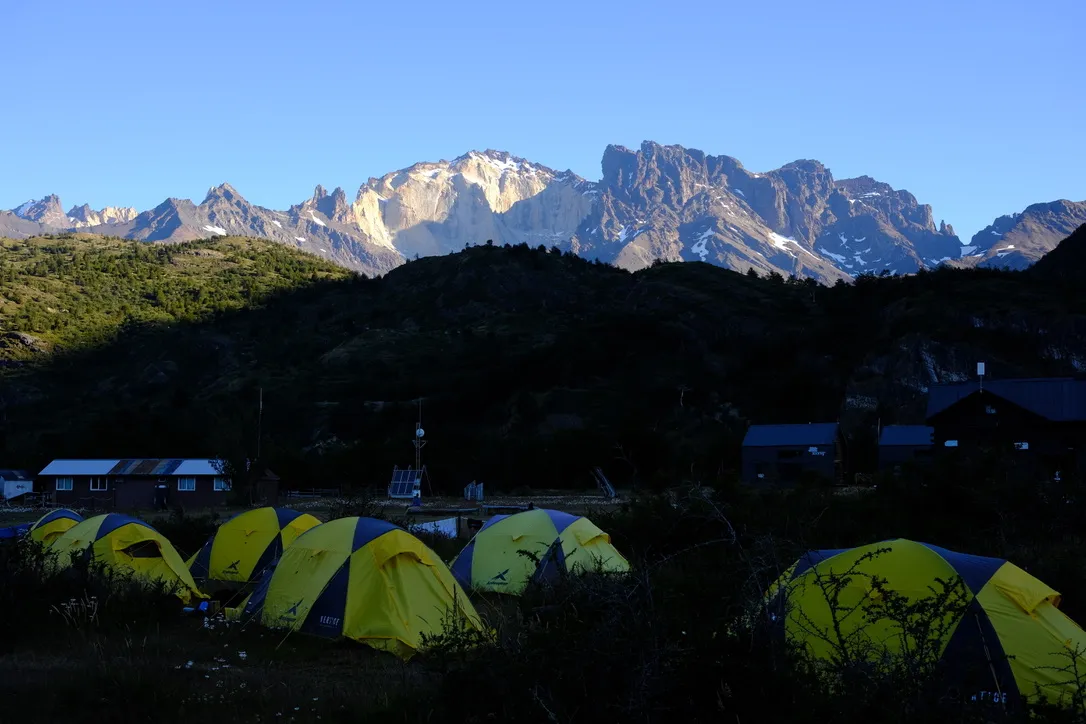
Booking the campsite does not mean you’ve booked the food. Even six months out we missed dinner at Seron and all three meals at Los Perros. Check each meal at each site individually and have a fallback for anything you can’t lock in.
A rough quality ranking of the food, from what we saw and ate:
- Las Torres sites have the better food overall (Central, Francés, Chileno)
- Within Vertice, Dickson was the best
- Los Perros is small and rudimentary, and the food (when you can get it) didn’t sound great anyway
How we covered our gaps:
- Seron: we got there early on a day they were serving pizza for lunch. We ate a massive pizza lunch, bought snacks at Central before leaving, and used those for dinner.
- Los Perros: brought freeze-dried meals. They sell boiling water at the camp, which makes freeze-dried dinner and breakfast very low-effort.
Step 4: You should start at Paine Grande
The park requires you to cross the John Gardner Pass north-to-south, which forces the counter-clockwise direction on the O (going up the Grey side of the pass is steeper and more dangerous than coming down it). Within that constraint, you can technically start at Paine Grande or Central. Start at Paine Grande.
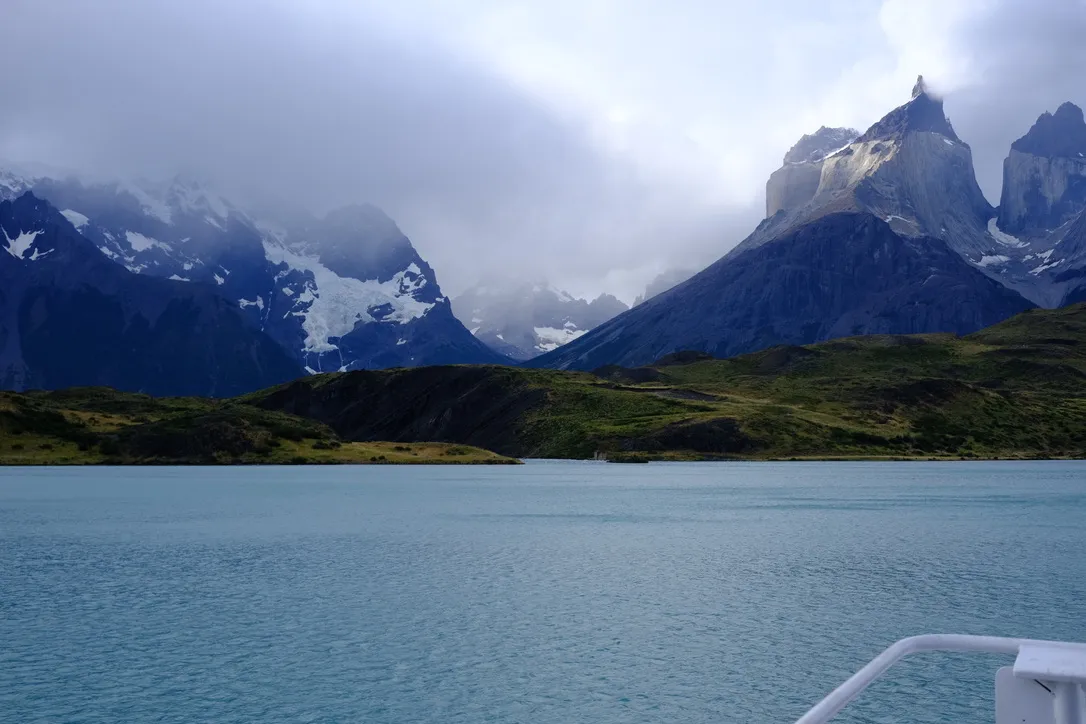
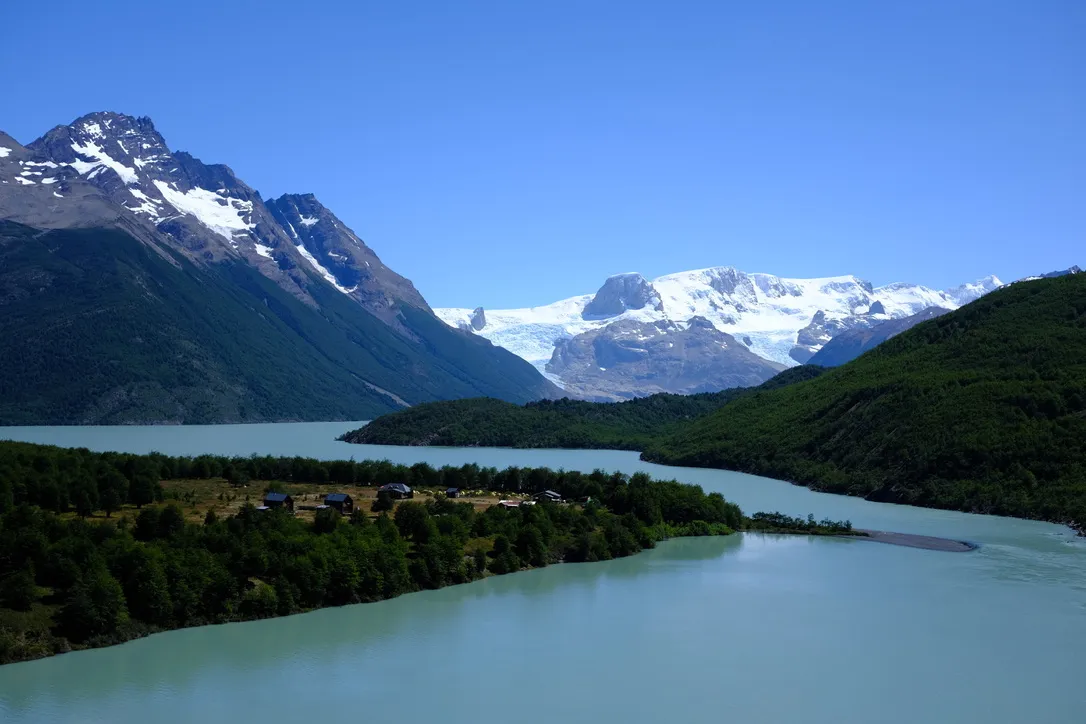
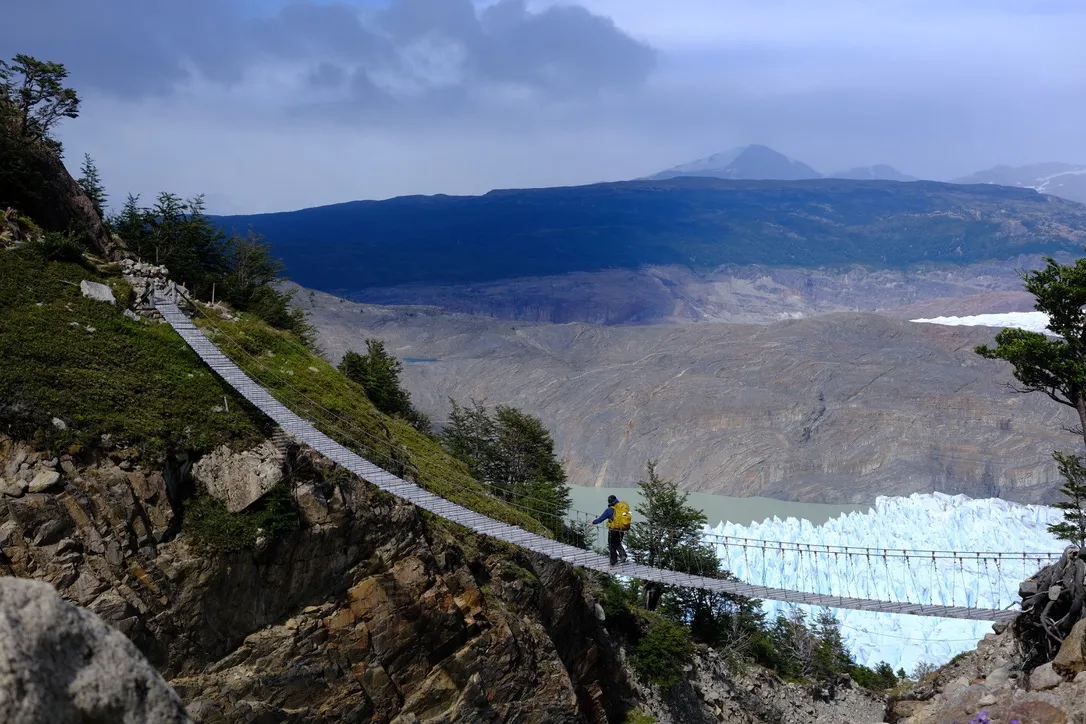
Starting at Paine Grande was easily my favorite decision of the trip. The boat ride in across Lago Pehoé gives you a panoramic preview of the park that gets you excited about everything ahead. You get the big W day hikes (Mirador Británico in Valle del Frances, then Mirador Las Torres from Central) done early while your legs are fresh. After that you settle into the quieter back half of the loop where the park feels like yours, and you finish on the pass and Grey Glacier, the single most stunning day of hiking I’ve ever done. Then you take the boat back out from Paine Grande and get the same panorama in reverse, except now you’re looking at every place you just walked. It’s emotional in a way I didn’t expect.
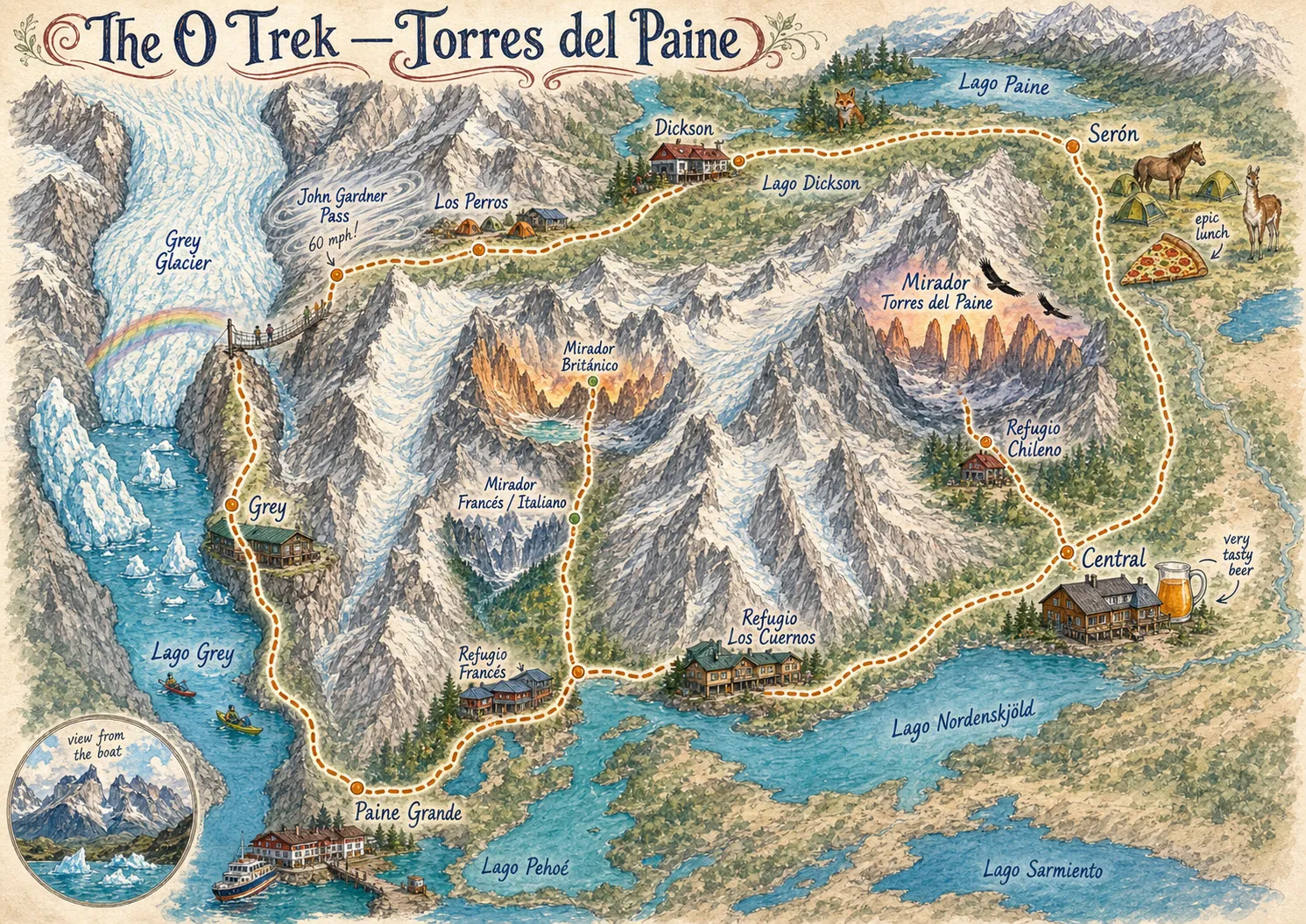
Eight days, seven nights, the way we did it:
- Bus from Puerto Natales, boat across Lago Pehoé to Paine Grande, then up Valle del Frances to Mirador Británico. Sleep at Camp Francés.
- Francés to Central. Sleep at Central.
- Day hike up to Mirador Las Torres (Los Tres). Sleep at Central again.
- Central to Seron.
- Seron to Dickson.
- Dickson to Los Perros.
- Los Perros over the John Gardner Pass to Grey.
- Grey back to Paine Grande, boat out.
Step 5: Go in January or February
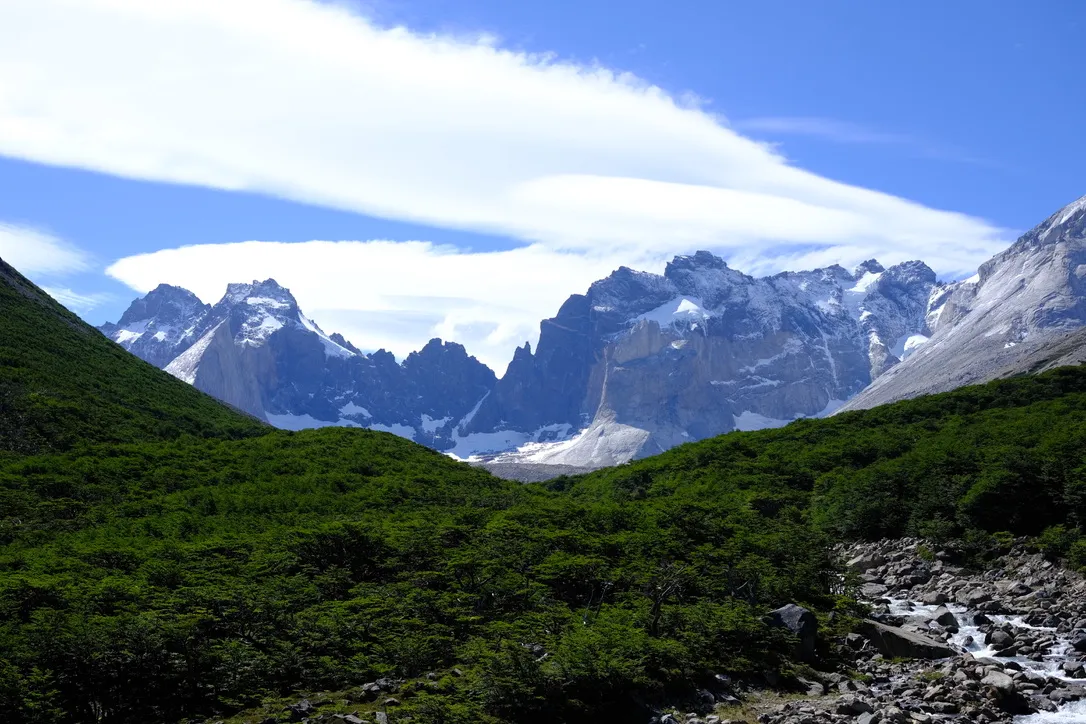
We went in January. The weather was perfect. That isn’t always the case in Patagonia: December the same year had surprising snowstorms, and weather can change instantly even in peak summer. We still saw snow coming over the pass.
January and February are the most reliable, but “reliable” in Patagonia is a relative term. Real layers, real wind protection, and a willingness to lose a day to weather are non-negotiable regardless of when you go.
The calendar also decides this for you more than you’d think. The park and the W run October through April, but the back-side camps open later and close earlier: for the 2026-27 season, Vertice lists Dickson open November 2 to March 30 and Los Perros November 3 to March 31. So the full O is really a November-to-late-March trek, and the January-February sweet spot sits comfortably inside that window.
What it cost
About $1,500 per person for the full eight days. That covered the bus from Puerto Natales, the boat across Lago Pehoé, lodging at every campsite (premium tents with sleeping mats), and food at every meal except dinner at Seron and all three meals at Los Perros. The torreshike.com fee is included in that number. Roughly $190 a day.
That’s significantly cheaper than any guided tour. The only way to come in lower is to do all the bookings yourself across Vertice, Las Torres, the boat operator, and the bus. Budget the CONAF entrance pass (CLP 48,500, about 50 USD) on top.
Step 6: Pack for it
This is what I actually carried, and what I’d recommend after eight days on trail. I pack everything from a list so nothing gets left behind; here’s the system I use for every trip.
Footwear
- Good hiking boots. You can do it in trail runners if the weather works out, but there’s a lot of loose rock and hiking boots will protect your ankles. I wore the Lowa Renegade for all ten days and it handled everything the park threw at it.
- 3 pairs of hiking socks. One drying, one wearing, one clean for sleeping if it’s cold.
- Camp shoes. Nice to have, and important for getting out of those boots when you hit camp. I used Birks.
Clothing
- 2 pairs of pants. I only used one, but a backup matters if your main pair gets wet.
- 3 shirts. One drying, one wearing, one for sleeping.
- 3 pairs of underwear.
- 1 long-sleeve.
- 1 puffy. You should be able to layer this with the long-sleeve and waterproof jacket.
- 1 waterproof jacket.
- Waterproof pants. When it rains in Patagonia, it really rains. You want to be able to cover everything and stay as dry as possible.
- Waterproof cover for your backpack.
- If you get cold easily, bring an extra layer. Going over the pass with that glacial wind is extremely cold.
Head, hands, eyes
- Sunglasses.
- Buff. For sun and for the pass.
- Warm hat (for the pass and for sleeping).
- Baseball hat (for sun).
- Gloves. If it gets really cold, they’re critical.
- Hand warmers can be nice for the pass.
Sleep and hiking gear
- Sleeping bag rated for around 20°F. Mine was often warm, but we went at an especially warm time. Premium tents come with mats, but the bag is usually a separate rental if you’re not bringing your own.
- 1 liter of water. All the water in the rivers is potable, no filtering needed (this was a surprise to me, I’m used to hiking with two or three liters and it felt wrong to carry so little).
- Hiking poles. I just used one, which was enough.
- Headlamp. You’re often hiking in the dark; you have to leave before 7am, and they recommend leaving Los Perros at 5am for the pass.
- Emergency beacon (something like a Garmin inReach). Recommended for safety in the back half of the park.
Other essentials
- Sunscreen. Patagonian UV is intense, especially crossing the pass with snow reflection.
- Trail snacks. Bars, chocolate, jerky, anything calorie-dense. The food gaps at Seron and Los Perros are easier to handle if you have plenty of snacks anyway.
- Blister kit. Moleskin, athletic tape, a needle. Eight days in boots is a lot of opportunity for hot spots.
- Toiletries. Toothbrush, biodegradable soap, a small roll of toilet paper. Some camp bathrooms are not stocked.
- Quick-dry pack towel. Useful even if you’re not showering daily.
- Cash in Chilean pesos. Refugios sell snacks, beer, and the occasional emergency item.
- Power bank. Charging at refugios isn’t guaranteed and can be slow.
- Trash bag. The park is leave-no-trace, you carry out everything.
FAQ
Do I need a guide to do the O Trek?
No. The O is well-marked and the campsite system means you have lots of company on trail. Solo and small-group hikers are the norm. A guided tour is significantly more expensive and not necessary unless you want the company or the local knowledge.
Can I do the O Trek without booking six months in advance?
Technically yes, but you'll be making big compromises on route. Last-minute bookings mean stitching together whatever campsites are left, which usually means much longer hiking days between awkward stops. If you're flexible on dates and willing to take whatever you can get, you can pull it off three or four months out. Six is the floor for a route you actually want.
O Trek vs. W Trek: which should I do?
The W is the front half of the park: Paine Grande, Frances, Central, Las Torres. It's typically 4-5 days and hits the iconic viewpoints. The O is the full loop: the W plus the quieter back half (Seron, Dickson, Los Perros, John Gardner Pass, Grey Glacier). It's 7-9 days. If you have the time, do the O. The back half and the pass are what make it unforgettable, and the W is included anyway.
Do I need to filter water on trail?
No. The rivers are potable as-is. Carry one liter and refill regularly.
Can I do the O Trek in trail runners?
Yes, if the weather cooperates. There's a lot of loose rock, especially over the pass and on the descent to Grey, so hiking boots will protect your ankles better. If the weather turns wet, you'll be very glad to have boots.
How fit do I need to be?
You should be comfortable with consecutive 8-12 mile days carrying a 25-35 pound pack. The pass day is the hardest: roughly 13-15 miles with significant elevation gain and loss. If you can do back-to-back day hikes of that distance at home without falling apart, you'll be fine. If you can't, train.
Can I rent gear in Puerto Natales?
Yes. Puerto Natales has multiple outfitters that rent tents, sleeping bags, mats, poles, stoves, and more. Plan to arrive a day early so you can pick up rentals and re-pack before the bus to the park.
When do reservations open?
Reservations for the following season open between April and June of the prior year; the 2026-27 season (October to April) opened in that window and is bookable now. Vertice and Las Torres open on different days, often a few weeks apart. The very best strategy is to know the exact day each operator opens and book within the first few hours, especially for Seron and Central. Torreshike.com tracks the open dates and sends notifications if you sign up.
How much is the Torres del Paine entrance fee?
For the 2026-27 season, foreigners staying more than three days (every O trekker) pay CLP 48,500, about 50 US dollars. You must buy it in advance on CONAF's pasesparques.cl site, and you get a PDF with a QR code that rangers scan at the entrance. They'll also ask for proof of your campsite reservations, so have both ready.
When is the O Trek open?
The park and the W run October through April, but the back-side camps the O needs open later and close earlier. For 2026-27, Vertice lists Dickson open November 2 to March 30 and Los Perros November 3 to March 31, so plan the full loop for November through late March.
Where do I fly to?
Most people fly into Punta Arenas (PUQ) in Chilean Patagonia, then take a 3-hour bus to Puerto Natales. There are also routes via El Calafate, Argentina, with a border crossing into Chile. From the US, Punta Arenas via Santiago is usually the simplest. Plan at least one night in Puerto Natales before the trek for gear pickup and to acclimate.
Is there cell service or wifi on trail?
Mostly no. Cell coverage is essentially nonexistent on most of the trail. Some refugios have paid wifi but it's slow and unreliable. Plan to be off-grid for the duration. This is one of the things that makes the trip feel like a real escape.
What size backpack do I need?
A 55-65 liter pack is the sweet spot for the O. You're carrying clothing for eight days, your sleeping bag, your camp shoes, snacks, food for the meals you couldn't book, and water. If you're tight on space you can do it in 50L, but you'll be packing more carefully than you'd like.
Can I do the O Trek solo?
Yes, plenty of people do. The trail is well-marked, the campsite system means you'll have company every night, and rangers check you in and out. Going solo is genuinely common, especially among European hikers. Just bring an emergency beacon and let someone know your itinerary.
Are there pumas or bears to worry about?
No bears in Patagonia. Pumas exist but sightings on trail are extremely rare. We didn't see one, and most people don't. There's no need to bear-bag your food, but you should still keep food sealed and away from your tent because of mice and foxes.