Gear Review: Lowa Renegade
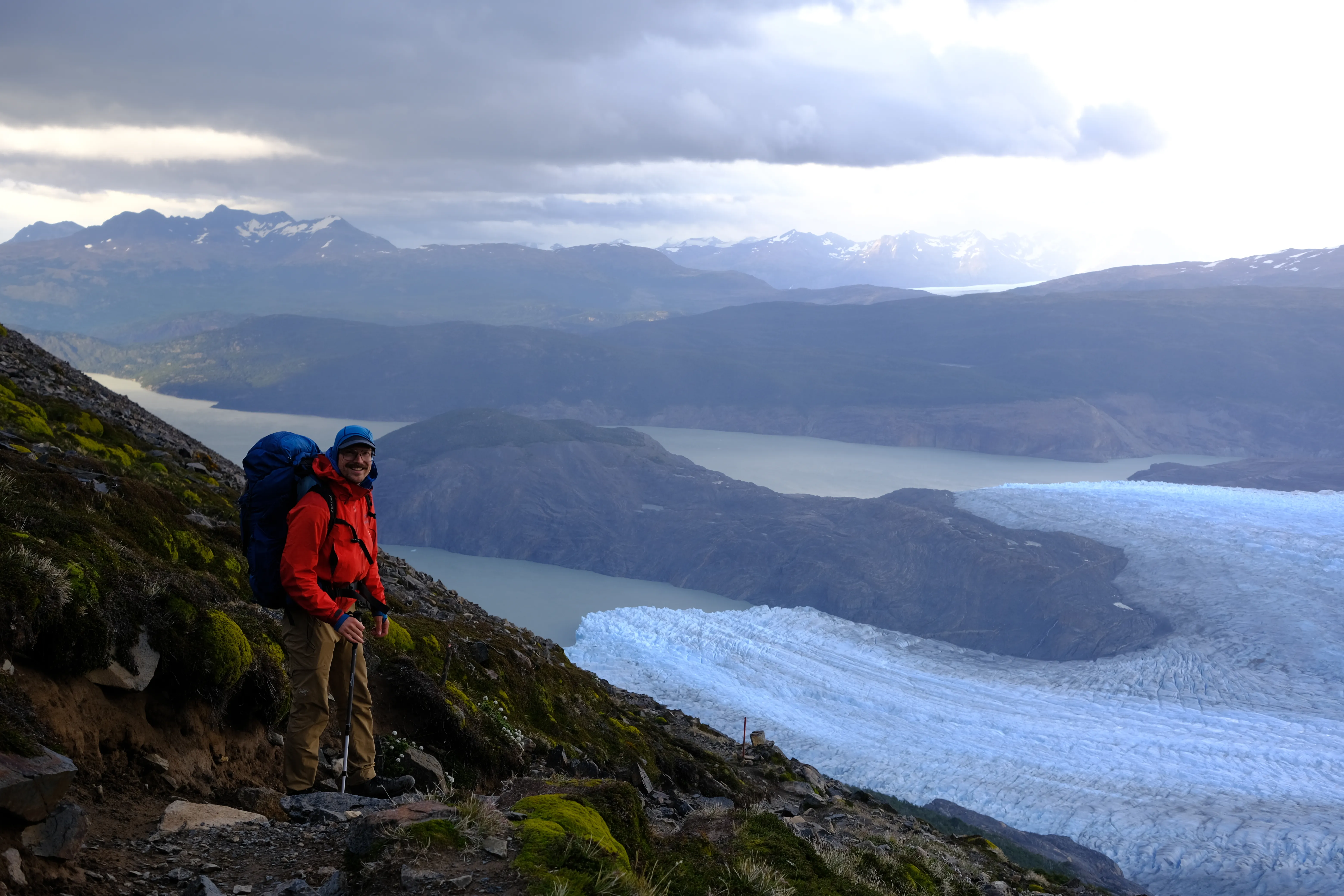
I took my Lowa Renegades through ten days on the O Trek in Torres del Paine: hot sun on the front side, snow coming over the John Gardner Pass, and the kind of pouring Patagonian rain where you find out very quickly whether your boots are actually waterproof. They handled all of it. I’m on my third pair, and if you have wide feet, it’s the first boot I’d point you at.
Why the Renegade
I have unusually wide feet, 2E in New Balance, and I’ve written before about how hard that makes shoe shopping (the Norda 001 won me over for the same reason). Hiking boots are usually worse than running shoes here: stiff leather uppers have no give, so a boot that’s narrow in the forefoot stays narrow, and you feel it by mile three.
The Renegade fits, though not the way I expected. Lowa sells it in a dedicated wide width, which almost no other mainstream boot does, so that’s what I tried first. The wide’s toe box turned out to be too high for me: plenty of room side to side, but so much vertical space that my foot slipped around inside the boot, and a slipping foot means mashed toes on every downhill.
So I wear the regular width and let the leather do the work. The nubuck toe box stretches out to fit my wide feet in a couple days of break-in, and I’d much rather spend those two days than spend a trek with my foot swimming in a boot that never holds it. That break-in speed is its own selling point: I bought my current pair one month before Patagonia and took them straight into a ten-day trek without a second thought.
Ten Days on the O Trek
The O gave the boots every condition Patagonia has. Hot, dusty sun on the way to Seron. Snow and glacial wind coming over the pass. And real rain, the kind where waterproof pants stop being optional and the trail turns to standing water.
The Renegades came through all of it. The Gore-Tex lining kept my feet dry through days of rain, the leather shed the mud, and the soles held on the loose rock that covers the descent from the pass to Grey (the section where I was most glad to have real boots instead of trail runners). Ten days of that with a 30-pound pack and I never had a single blister or a wet sock. That trip is why this review exists.
Beyond Patagonia
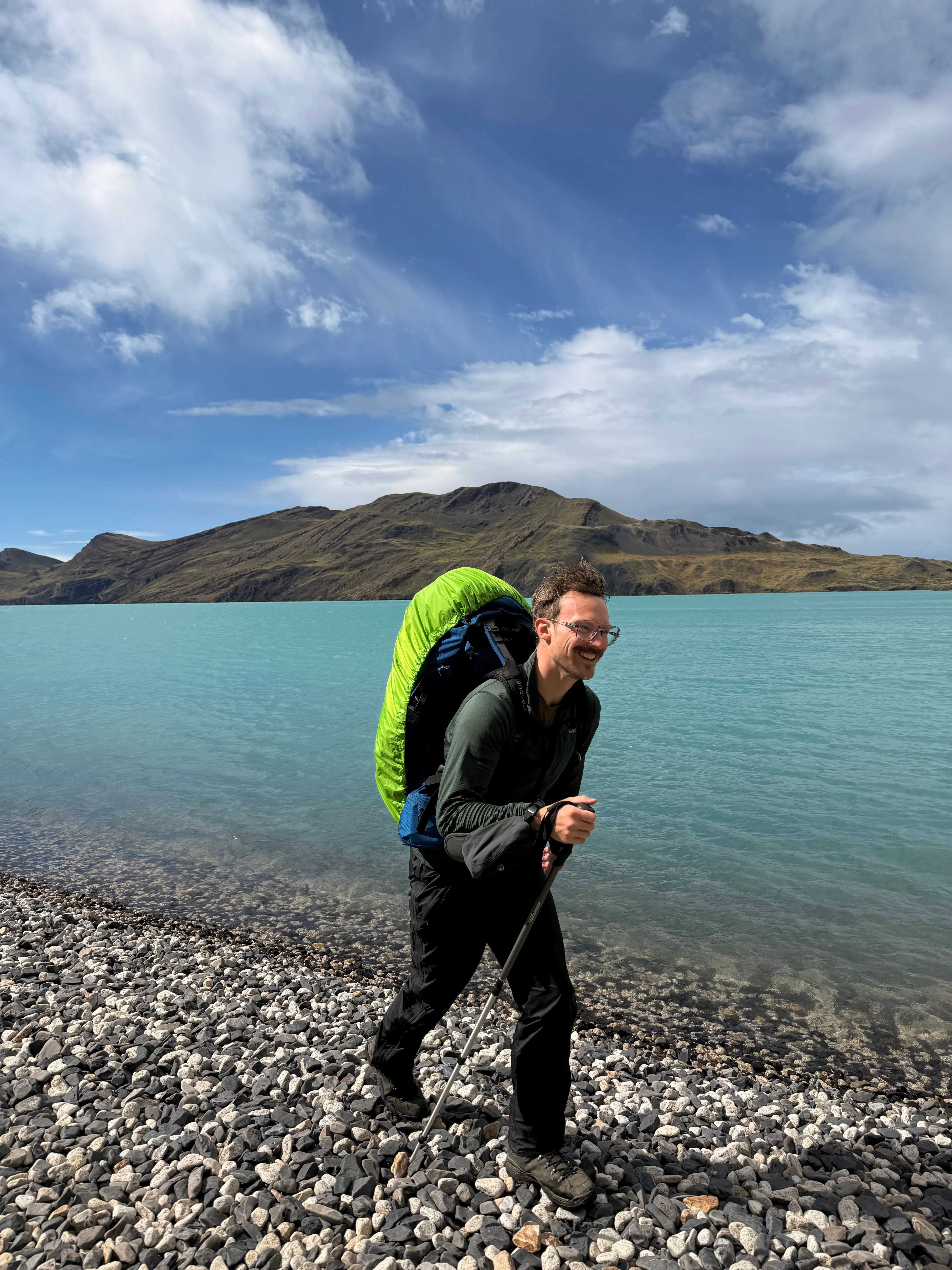
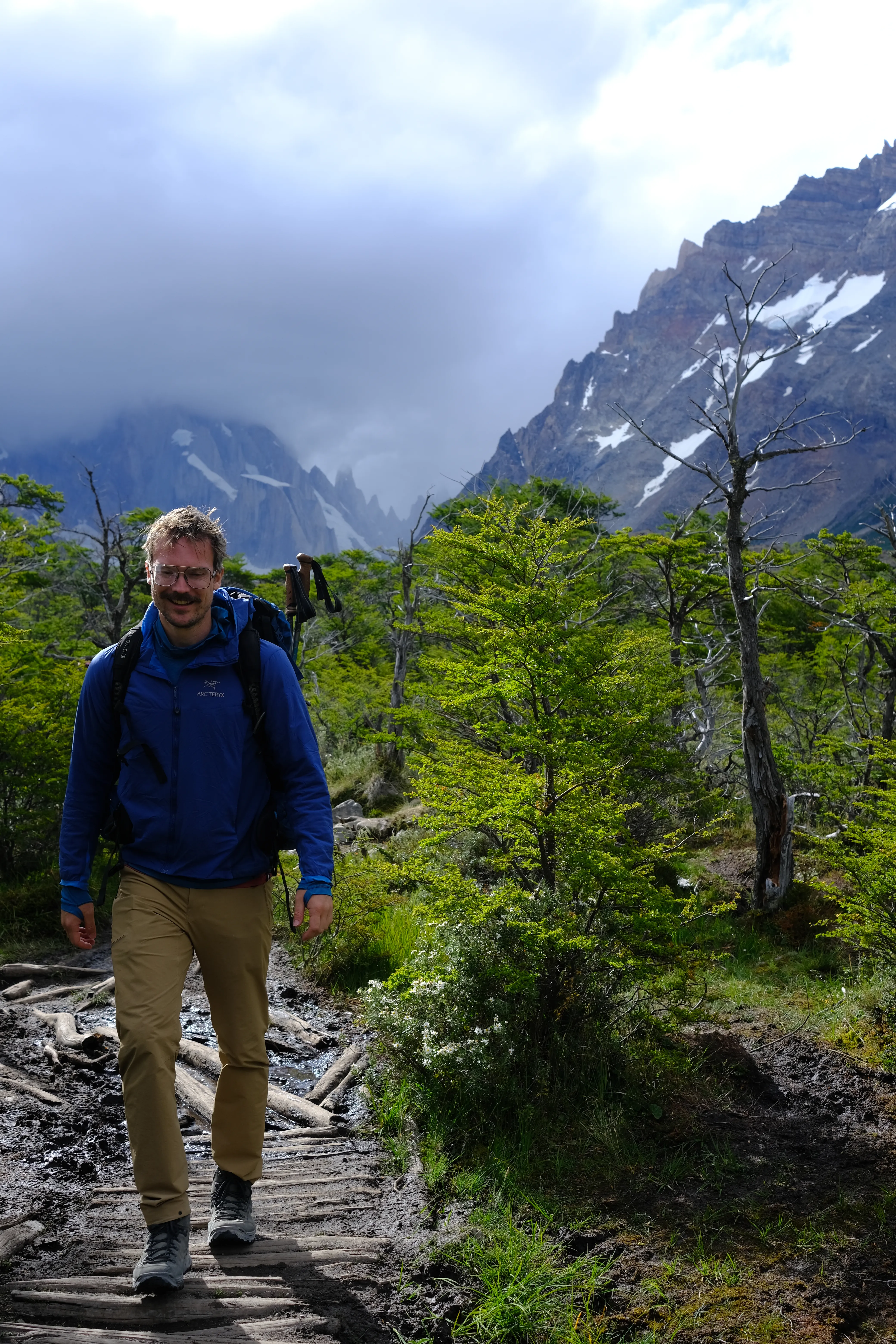
The same pair has since been to El Chaltén for more big hiking days, through the spray and humidity of Iguazú Falls, and down Chilean beaches. That’s the range I actually want from a hiking boot: granite scree one month, rainforest boardwalks and wet sand the next, and the boot just does its job.
How They Hold Up
The construction is the appeal. Nubuck leather upper, Gore-Tex lining, Vibram outsole, and a build quality where nothing peels, delaminates, or works loose. Mine have taken real abuse and stayed structurally sound the whole way.
They are not a forever boot. I wear through a pair in about four years of moderate use, though “moderate” includes trips like the O, so I’m not exactly babying them. The Renegade can’t be resoled (the midsole is glued rather than stitched), so when the sole wears down, that’s the end. I’ve made my peace with it: four years of everything-proof service, then a new pair.
I’m on my third. Between pairs I’ve strayed, a full-synthetic Salewa one time and a La Sportiva mountaineering boot another, and I keep coming back. A solid leather boot that breaks in to your exact foot beats both of them for comfort, and comfort is what keeps me hiking. The Renegades run heavier than the synthetics. The comfort wins.
Renegade vs Renegade Evo
If you’re buying today, you’ll find the Renegade Evo GTX Mid, the refresh Lowa gave its most popular boot after two decades of the classic design. Mine is the classic Renegade GTX Mid. The changes are small and all in the right direction.
| Spec | Renegade GTX Mid (mine) | Renegade Evo GTX Mid (current) |
|---|---|---|
| Price | ~$255 (being phased out) | $280 |
| Weight (per pair) | ~2 lb 7 oz (1,100 g) | ~2 lb 10 oz (1,170 g) |
| Upper | Nubuck leather | Nubuck leather, fewer seams |
| Lining | Gore-Tex | Gore-Tex |
| Outsole | Vibram | Vibram |
| Toe box | Standard | Slightly roomier |
| Widths | Regular and wide | Regular and wide |
| Resolable | No | No |
The Evo gets a slightly roomier toe box (welcome news for this audience), fewer seams on the upper, and softer heel cushioning. The leather, the Gore-Tex, the Vibram outsole, and the wide-width option all carry over, so everything in this review should hold for the current boot.
The Verdict
Rating: 4.5/5. The Renegade is the best-fitting, most dependable hiking boot I’ve owned: fast break-in, true waterproofing, and years of abuse without complaint. The half-point off is for the lifespan. A boot this good deserves a resolable build, and instead you’re buying a new pair every several years if you hike hard.
I keep buying the new pair anyway.
Who Should Buy
Buy the Renegade Evo if you have wide feet and want one boot for everything: multi-day treks, rough day hikes, wet weather, travel. Counterintuitively, try the regular width first even if you’re a 2E-or-wider foot like me. The leather stretches to your foot in a couple of days, where the wide’s taller toe box let my foot slip around, and a slipping foot means mashed toes on the descents. Break-in is quick, but give it a few walks before you take it on a ten-day trek anyway.
Skip it if you want an ultralight, trail-runner-style hiker (the Renegade is a traditional leather mid and weighs like one) or if you’re set on a resolable boot you can run for decades. For that second group, look at stitched-construction boots and bring patience for the break-in.
FAQ
Is the Lowa Renegade good for wide feet?
Yes, and the surprise is which width. I have 2E-wide feet and I wear the regular Renegade, not the wide. I tried the wide first and its toe box was too tall for my foot, so I slipped around inside the boot. The regular's leather toe box stretches out to fit wide feet after a couple days of break-in, and once it stretches the fit is excellent. If you're between the two, start with the regular and let the leather do the work.
Is the Lowa Renegade waterproof?
Yes, it has a Gore-Tex lining, and in my experience it delivers. I hiked the O Trek in Torres del Paine through days of pouring rain and snow over the pass and my feet stayed dry the whole way. The nubuck leather upper also sheds mud and spray well before the membrane even gets involved.
How long does the Lowa Renegade take to break in?
A couple of days, which is remarkably fast for a leather boot. I bought my current pair one month before Patagonia and took them straight into a ten-day trek with no problems. The break-in is also what makes the fit work for wide feet: the leather toe box stretches to your foot shape early and then holds it.
Does the Lowa Renegade fit true to size?
Yes. I buy my usual size, in the regular width, even with 2E-wide feet. Give the leather a couple of days to stretch instead of sizing up; a bigger boot just means your foot slides on descents.
How long do Lowa Renegades last?
I'm on my third pair, so I can answer this precisely: about four years of moderate use per pair, and my moderate includes trips like the O Trek and El Chaltén. The construction can't be resoled (the midsole is glued, not stitched), so when the sole goes, the boot is done. Four years of that kind of use is a fair run for the price, but this is a boot you replace, not one you pass down.
What's the difference between the Renegade GTX and the Renegade Evo GTX?
The Renegade Evo GTX Mid is the current version of the boot, released as a refresh of the classic Renegade that had been around for two decades. It has fewer seams on the upper, a slightly roomier toe box, softer heel cushioning, and costs $280. The nubuck leather, Gore-Tex lining, Vibram outsole, and wide-width option all carry over. My review is of the classic Renegade, and everything I like about it applies to the Evo.
Is the Lowa Renegade worth the price?
For wide-footed hikers who want one boot that handles everything, yes. It breaks in fast, keeps water out, and takes years of abuse. It isn't a resolable lifetime boot, so factor in a replacement every several years if you hike hard, and it's still worth it.